Our Commitment to the Planet
Sustainability isn't just a buzzword for us — it's the foundation of everything we do. Every coconut shell we rescue is a step towards a cleaner, greener future.
Waste to Wellness
India produces over 15 million tonnes of coconuts annually. After extracting oil and copra, billions of shells are discarded — burned, buried, or left to decompose in fields and waterways.
Meanwhile, the world produces 400 million tonnes of plastic waste every year, much of it in the form of disposable cups, utensils, and trinkets that coconut shells can beautifully replace.
At House of Coconut, we bridge this gap — taking what's wasted and creating what's needed. Our products directly reduce waste and promote sustainability by replacing plastic with a natural, renewable alternative.
Numbers That Matter
The measurable difference our products make.
Shells that would otherwise rot in landfills become beautiful products.
Every product is made from waste — nothing new is extracted from nature.
Coconut shell crafting uses a fraction of the water needed for plastics or ceramics.
By replacing plastic products, we avoid significant carbon emissions each year.
How We Stay Green
Six pillars that guide every decision at House of Coconut.
Circular Economy
We operate in a fully circular model. Coconut shells — a byproduct of oil extraction — are collected, transformed, and returned to consumers as usable products. At end of life, they biodegrade naturally, completing the circle.
Zero-Waste Production
In our workshops, even shell dust and shavings find purpose — as garden compost and soil enricher. We generate virtually zero manufacturing waste.
Replaces Synthetic Alternatives
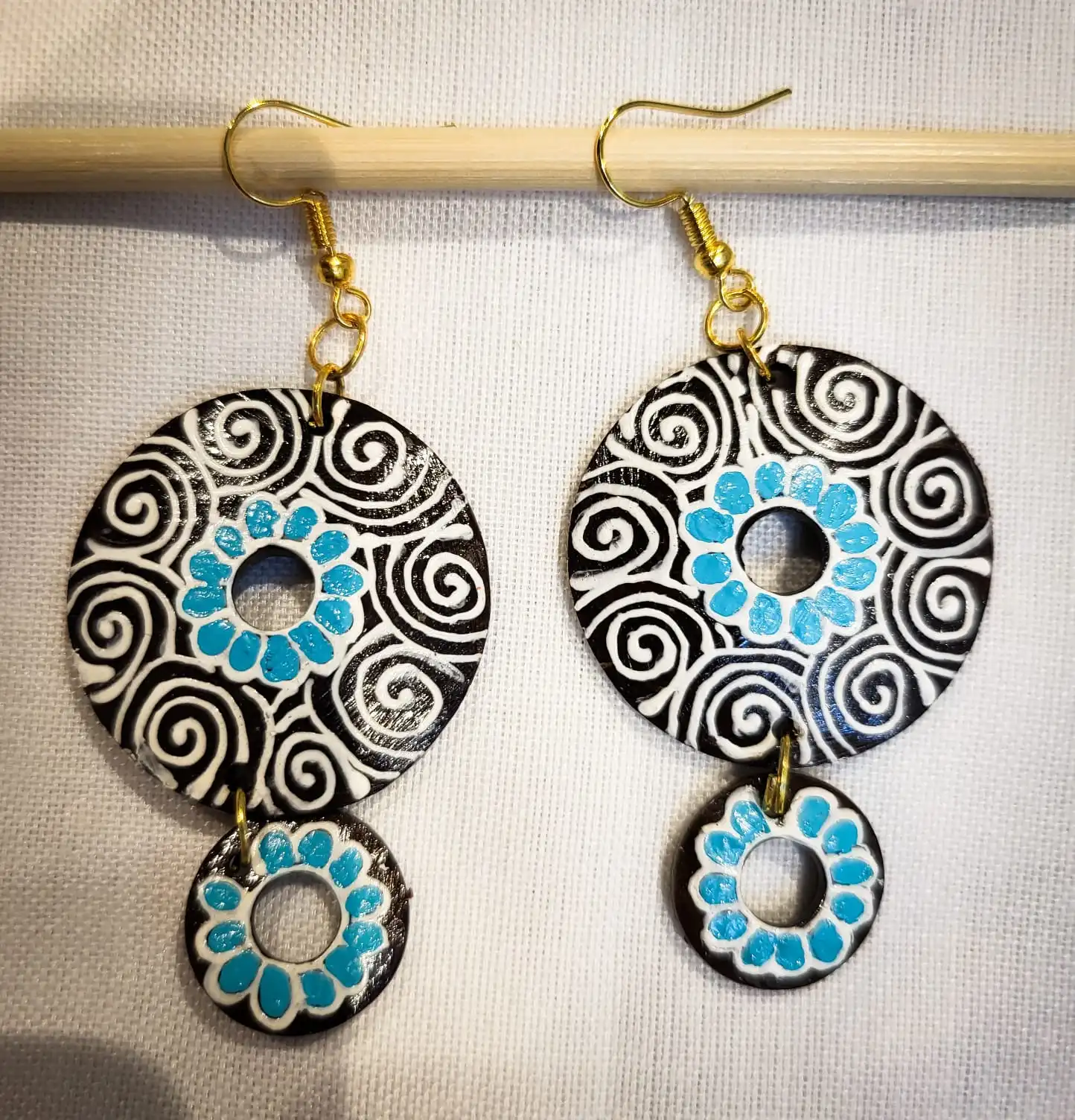
Every coconut shell bowl, earring, or showpiece is a direct replacement for a plastic or resin equivalent. Choosing natural is the simplest sustainability choice.
Fair Trade Practices
Artisans are paid fair, living wages. We invest in their skill development and ensure safe, healthy working conditions in every workshop.
Local Sourcing
Every material comes from within a 25km radius of Guhagar. This minimises transport emissions and strengthens the local economy.
Biodegradable End-of-Life
When our products eventually wear out, they return to the earth harmlessly. No microplastics, no toxic residues — just natural decomposition.
The Kalpavriksha — Nature's Gift
In ancient Sanskrit texts, the coconut palm is called Kalpavriksha — the "tree that fulfils all wishes." Every part of this miraculous tree finds purpose: the water quenches, the flesh nourishes, the oil heals, the fibre binds, the wood builds.
And now, through our craft, the shell adorns. At House of Coconut, we honour this ancient wisdom by ensuring that nothing goes to waste. What was once discarded now becomes a cherished product — completing the circle that the Kalpavriksha began.